Kayoola Buses and Cashless Payments: Uganda's Ride Toward the Future
- September 29, 2026
Kampala commuters know the daily struggle: traffic jams, crowded taxis, unpredictable fares and long waits. A new option is now on the roads, and it was built in Uganda.
What is the Kayoola EVS bus?
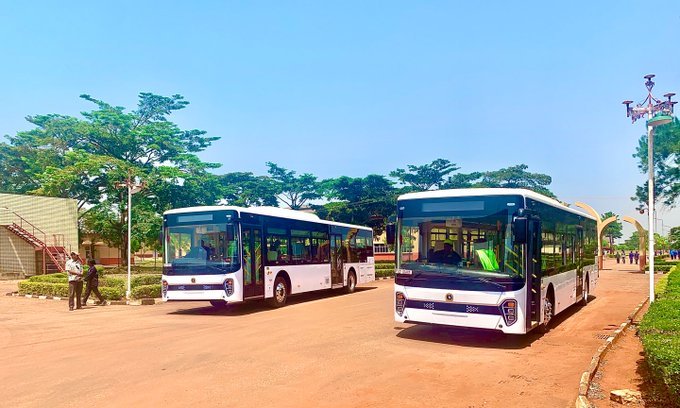
The Kayoola EVS is a fully electric city bus made by Kiira Motors Corporation (KMC), a state enterprise based in Jinja. KMC previously developed Africa's first hybrid vehicle in 2014 and Africa's first solar electric bus in 2016. The Kayoola EVS builds on that record. It is a low-floor electric city bus with a range of about 300 kilometres on a full charge.
In May 2026, the buses began carrying passengers under a service called E-Bus Xpress. The buses carry up to 90 passengers and have onboard Wi-Fi. They run circular routes linking City Square, Nakawa, Ntinda, Bukoto, Kamwokya and Wandegeya. The service has since grown, and operators have added three routes serving commuters in the Kira corridor.
How does cashless payment work?
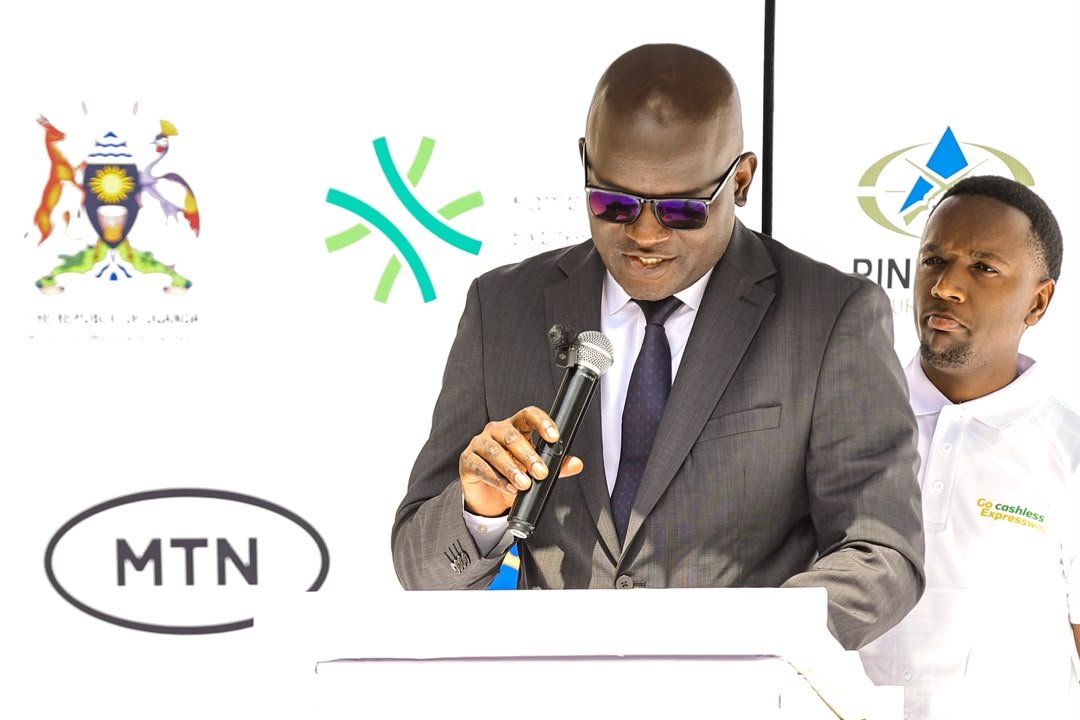
E-Bus Xpress runs a fully cashless system to make boarding faster and reduce delays. Passengers pay with mobile money or a card. Payments are made through MTN Mobile Money or Airtel Money. The buses also support contactless cards and mobile payment options. Fares are fixed rather than based on distance travelled. A passenger knows the price before boarding and cannot be overcharged.
Why does Uganda need this?
-
It fixes a real transport problem. Kampala's congestion costs people time, money and health. High-capacity buses on fixed routes can move far more people than small vehicles, which takes pressure off the roads.
-
Cashless payment brings trust and order. Fixed fares and digital receipts mean no arguments over change, no hidden charges and less chance of money being lost or stolen. Faster boarding also keeps buses moving. Operators get accurate records of their earnings, which makes the service easier to manage and grow.
-
It supports our own industry. These buses are made in Uganda. Local manufacturing creates jobs for engineers, technicians and suppliers. It also keeps money in our economy rather than sending it abroad for imported vehicles.
-
It is cleaner. Electric buses produce no exhaust fumes on the road. That means better air in a city where many people suffer from pollution-related illness.
-
It builds a digital economy. Cashless payments push more people into formal digital financial systems. Mobile money is already familiar to most Ugandans, and using it for transport builds on that habit. It supports the government's wider digital transformation plans.
The challenges ahead
The service will only succeed if it stays reliable. That means enough buses, regular schedules, affordable fares and good charging infrastructure. Cashless systems must also work for everyone, including people without smartphones or mobile money accounts, so easy card options and agent points are important. Finally, Uganda needs more routes beyond a few corridors, and eventually other cities too.
Conclusion
The Kayoola bus is more than a vehicle. It shows what Ugandan engineering can do and how technology can make daily life easier. If Uganda wants to grow, it needs transport that is efficient, clean, fair and built at home. Supporting and improving services like this is a step in that direction.